Paralysis Tick Warning
“It’s SPRING, that means it’s time I get to work to create as much
mayhem as possible!”
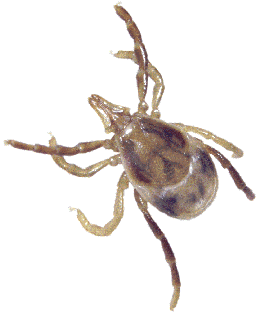
“I like to be carried around on possums, bandicoots and bush
turkeys. My favourite home is a bushy area with lots of scrubs but
the world is my oyster and I will happily hang out in your grassy
backyard as well. I have lots of family members all around the
coast and the beautiful sunny weather with some rain that we have
been having lately is just the sort of weather that gets the gang
out there looking for something tasty to walk past that we can
latch onto.”
“Once we have made our way onto your pet the places we prefer to
dig in are around the head and face (that’s what happens when you
put your face right into the bushes where we live!), inside the
ears, on the front limbs and even in between the toes and up in the
armpit and there is always the classic hiding place of underneath
the collar.”
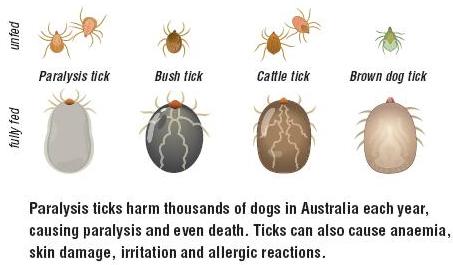
“Once we get our strong mouthparts into your pet we tend to hang
around for a while, growing and growing. That’s when we usually get
discovered and you rush your beloved pet to the Vet. That’s the end
of the story for us as ticks don’t tend to get a warm reception at
Vet clinics. But that’s just the start of the battle for our poor
prey. We may be small but we sure know how to cause big effects.”
“The first signs you will see that one of my friends has been
feasting on your pet is;
A change in bark or meow
Excessive salivation or vomiting
Coughing and laboured breathing
A weakness in the back legs
Unco-ordination and a reluctance to stand up and walk.
You see we are sly creature and we inject a toxin, which will
slowly cause paralysis, the signs will only get worse the longer
the tick is attached. Even once my tick friend has been removed
from your pet they will tend to get worse before they get better as
the toxins are still circulating for a period of time.”
“I’ll let you know a secret…there is an anti-venom out there which
can beat our toxins but it needs to be administered immediately.
The best steps to take if you find one of us on your pet are;
Remove the tick-try not to squeeze the body, but always better
out then in (a tick-twister is a great device to have on hand to
help you with this). If you have any difficulty removing the tick
get to the Vet as soon as possible so they can remove it for you.
Give the Vet a call to ask their advice, most likely you will
need to get into the clinic as soon as possible if your pet if
showing any symptoms.
Keep your pet cool and as calm as possible
Do not allow your pet to have any food or water as their
swallowing ability could be compromised
Checking you pet for ticks
Let’s be honest I’m not a lot of fun to deal with so the best thing
to do is to keep me off your dogs and cats by using a tick
preventative. Have a chat with any of the wise team members at
Gosford Vet and they can work out the best methods for you to avoid
the pain of a visit from one of my friends…we can just stick to the
wildlife who have more of an immunity to our toxins!”
